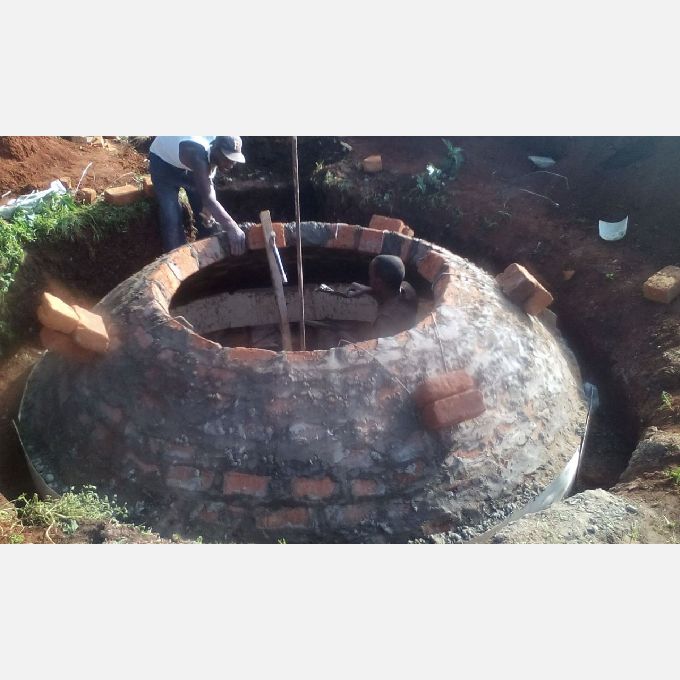
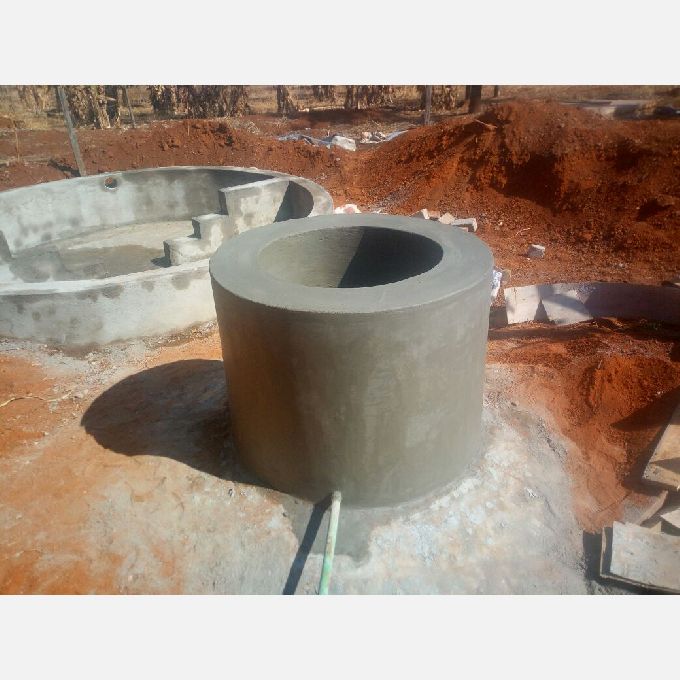
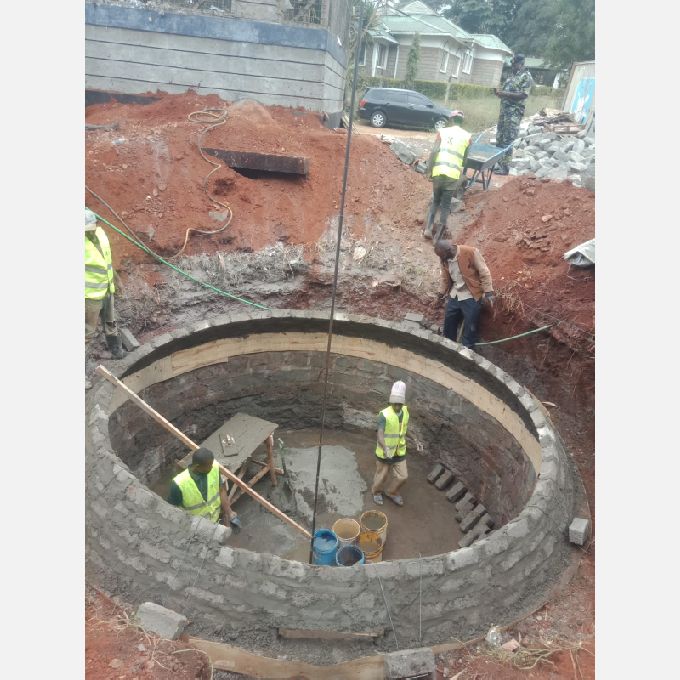
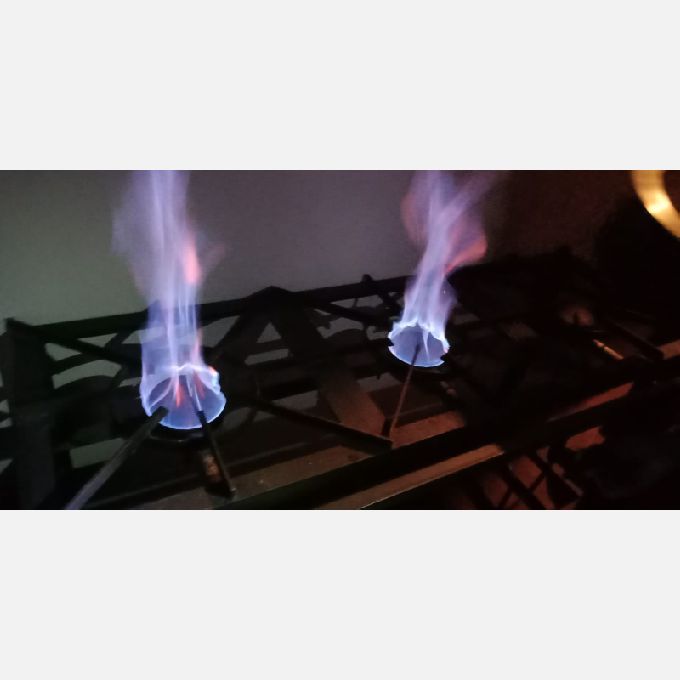
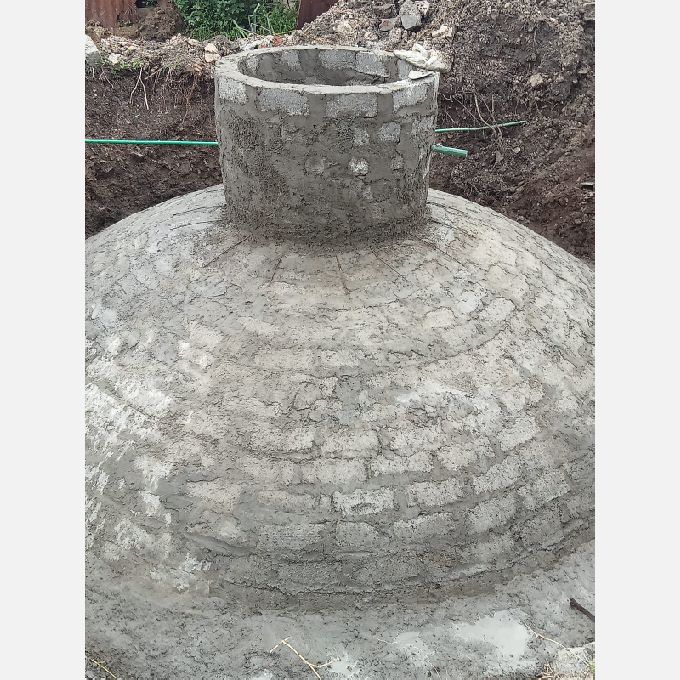
Check out this recent project we completed in Syokimau, where we had the privilege of working on a biogas installation for one of our clients. The client reached out to us with the need for an eco-friendly and sustainable solution to manage waste and generate energy for their home. We took on the task with great enthusiasm, ensuring that every aspect of the installation was meticulously planned and executed. From the initial consultation to the final touches, our team worked closely with the client to understand their specific needs and preferences. We provided expert guidance on the best system that would work for their home, taking into account factors like waste production, energy consumption, and space availability. The installation process was seamless, with our technicians ensuring that all components were set up efficiently and securely. We pride ourselves on our attention to detail, and this project was no different. Every step of the process was carried out to perfection, from digging the necessary trenches to the final connection of the biogas system. The client was thrilled with the outcome, and we are happy to have played a part in helping them adopt a more sustainable lifestyle. This biogas installation project not only benefits the client but also contributes positively to the environment. We look forward to more opportunities like this, where we can continue to bring clean energy solutions to more homes.
Advantages of Installing a Biogas System in Your Home
-
Eco-Friendly Waste Management: A biogas system efficiently handles organic waste, turning it into useful energy while reducing landfill waste and greenhouse gas emissions. By diverting waste from landfills, the system plays a critical role in reducing environmental pollution and conserving natural resources.
-
Cost-Effective Energy Source: Biogas offers an affordable alternative to conventional cooking fuels like LPG, reducing household energy expenses over time. The system allows homeowners to cut down on monthly utility bills, offering long-term savings that offset the initial installation costs.
-
Sustainable Energy Production: Unlike non-renewable energy sources, biogas is a renewable resource that contributes to long-term energy sustainability for homeowners. By tapping into this natural cycle, homeowners can generate energy consistently without depleting valuable resources.
-
Improved Waste Disposal: Organic waste that would otherwise go to a landfill is diverted for digestion, helping reduce waste disposal costs and environmental impact. This helps promote a circular economy where waste is transformed into a resource, creating a sustainable waste management system.
-
Enhanced Soil Fertility: The byproduct of biogas production, known as digestate, can be used as an organic fertilizer, enriching the soil for agricultural purposes. This nutrient-rich byproduct helps reduce the need for chemical fertilizers, supporting healthy plant growth.
-
Energy Independence: With a biogas system in place, homeowners become less dependent on national grid energy, providing a backup energy source, especially in case of power outages. This autonomy increases self-sufficiency and ensures a stable energy supply, even during disruptions.
-
Low Maintenance: Biogas systems generally require low maintenance after installation, offering hassle-free operation for years. Routine checks and maintenance are simple, ensuring that the system continues to function efficiently without complex repairs.
How Much Does It Cost to Build a Biogas System for a Home?
The cost of building a biogas system for a home can vary significantly depending on several factors, such as the size of the system, the materials used, the complexity of the installation, and whether it will be used for cooking, heating, or electricity generation. Although exact figures are difficult to provide, homeowners should expect to invest in components such as a digester, gas storage tank, piping, and possibly an electric generator for larger setups. For a typical residential system, costs may include labor for installation, maintenance, and additional accessories like safety valves and filters. The cost can also vary based on local market conditions and the availability of materials. While the upfront investment in a biogas system may seem high, it is important to note that the long-term savings on energy bills and waste disposal costs often make the system a worthwhile investment. Additionally, the system’s payback period can vary. However, for many homeowners, the financial savings from lower utility bills and the potential sale of excess energy or biogas can offset the initial costs in a few years. As biogas technology advances and becomes more widespread, the costs of installation are likely to decrease, making it an even more attractive option for homeowners looking for sustainable and cost-effective solutions.
Key Considerations When Installing a Biogas System
When considering the installation of a biogas system for your home, several key factors should be taken into account to ensure the system functions efficiently and meets your needs.
-
Location and Space Requirements: A biogas system requires enough space for the digester, gas storage tank, and any necessary accessories. Ensure you have enough room in your yard or property for the installation without compromising other essential needs.
-
Waste Availability: A successful biogas system relies on a steady supply of organic waste. Consider the types of waste available on your property, such as food scraps, manure, or agricultural byproducts. The system’s size and capacity will depend on the volume of organic material available for processing.
-
System Type: Different systems offer varying levels of energy production. A smaller, domestic biogas system may be sufficient for cooking and lighting, while larger systems can support heating or electricity generation. It is important to select the system type that best matches your energy requirements.
-
Maintenance Needs: Regular maintenance is essential for ensuring the efficient operation of a biogas system. Consider the level of maintenance you can commit to and whether you will need professional assistance for tasks such as cleaning or troubleshooting.
-
Safety Measures: Proper safety measures are vital to prevent accidents or malfunctions. Ensure that the biogas system is equipped with safety valves, gas monitoring equipment, and that it is installed by certified professionals to reduce the risk of leaks or explosions.
-
Regulatory Compliance: Before installing a biogas system, check for any local regulations or permits required for its construction. Compliance with environmental and building codes is necessary to avoid legal complications.
Incorporating these considerations into the planning phase ensures that the system is efficient, safe, and cost-effective in the long term.
With the right approach, a biogas system can offer substantial benefits for homeowners in Syokimau, not only reducing waste but also providing a sustainable and reliable energy source for the home. If you are considering such an investment, it may be useful to consult a professional biogas installation expert with experience in designing and installing residential biogas systems, ensuring the project aligns with your specific energy and waste management needs.