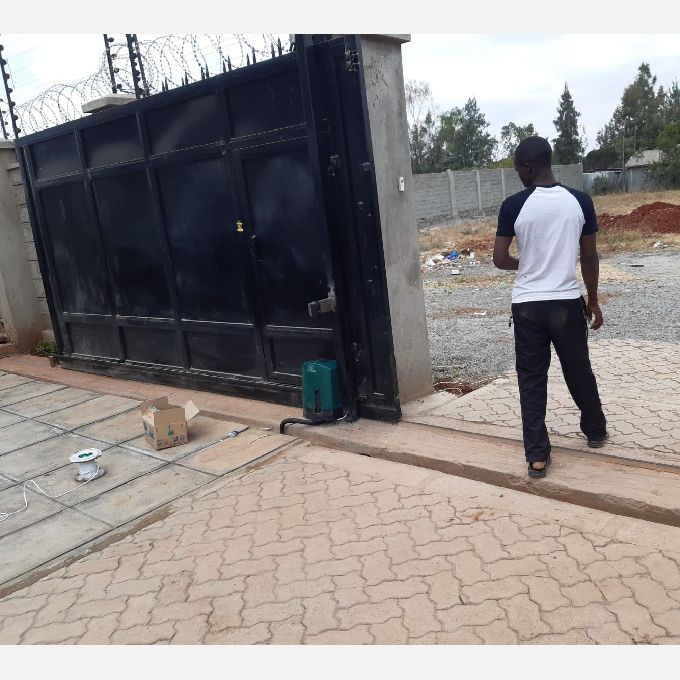
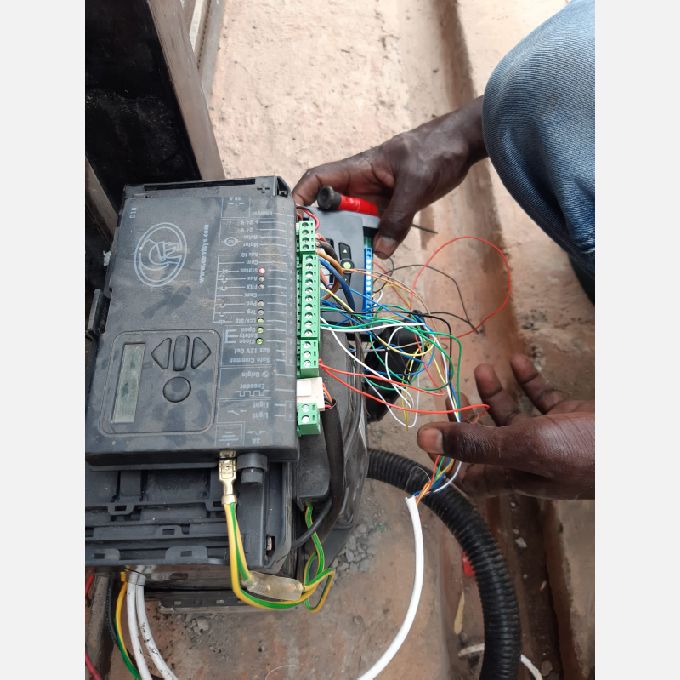
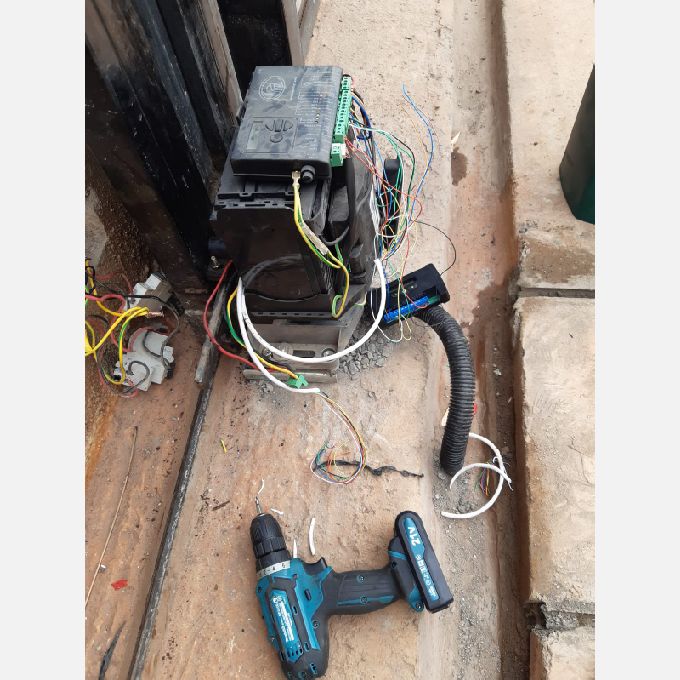
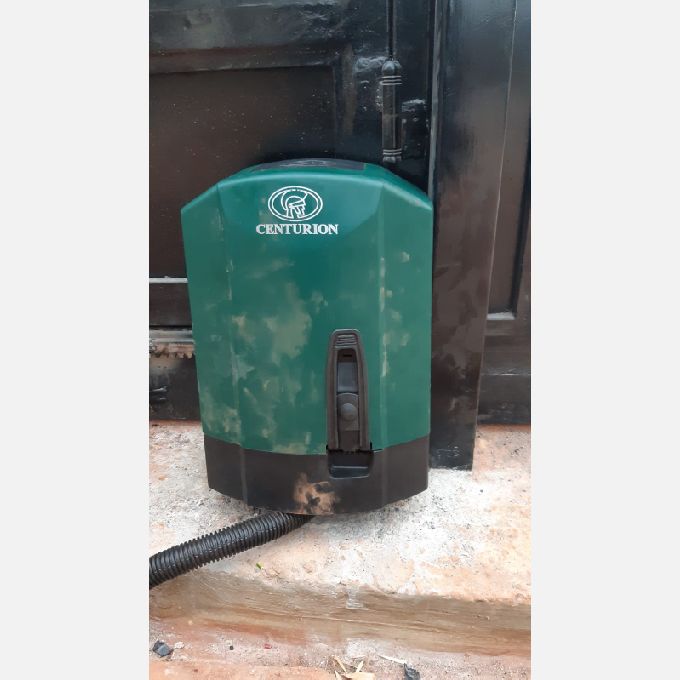
We recently undertook a project in Eldoret, where a client requested the automation of their sliding gate. Our team provided a complete solution by installing a state-of-the-art automatic gate system that enhanced security, convenience, and efficiency for the homeowner. Below are the key steps we followed to ensure the successful installation of the system:
-
Initial Consultation and Site Assessment
- We met with the client to understand their specific needs, including the desired features of the automated gate system.
- Conducted a site visit to assess the existing sliding gate, its condition, and the available space for the installation of the motor and control components.
-
Design and System Selection
- Based on the assessment, we selected the most suitable automatic gate motor and control system, ensuring compatibility with the sliding gate's size and weight.
- We designed the layout for the system, ensuring all wiring and sensors would be hidden and protected from external elements.
-
Procurement of Materials
- Procured high-quality automatic gate components, including the motor, remote control system, safety sensors, and other necessary materials.
- Ensured all materials met the required safety standards and were durable for long-term use.
-
Installation of the Automatic Gate System
- Installed the motor on the sliding gate, ensuring it was securely fastened and properly aligned for smooth operation.
- Wired the system, connected safety sensors, and integrated the remote control system for easy access and operation.
-
Testing and Calibration
- Thoroughly tested the system to ensure proper functionality, including checking the gate’s opening and closing speed, safety sensor responses, and remote control compatibility.
- Calibrated the system to the client’s preferences and ensured it operated smoothly without any hitches.
-
Client Training and Handover
- We trained the client on how to operate the automatic gate system, including the use of the remote control and troubleshooting simple issues.
- Provided a warranty and aftercare instructions to ensure the system continued to perform optimally.
This installation not only enhanced the client's convenience and security but also elevated the aesthetic appeal of their home’s entrance. For the best sliding gate automation services, feel free to reach out to us anytime.
What are the Key Components of an Automatic Gate System?
An automatic gate system is composed of several crucial components that work in tandem to provide seamless, secure, and reliable gate operation. Each element plays a specific role in ensuring the system’s efficiency and safety.
-
Gate Operators: The gate operator is the motor responsible for moving the gate. It can be powered by electricity or solar energy, depending on the system's design. The operator typically includes gears, a control board, and a power source, which allow the gate to open and close smoothly. The motor's strength is critical to handle the weight of the gate, ensuring it operates efficiently and with minimal wear over time.
-
Sensors: These are installed to detect objects or people near the gate. Sensors help prevent accidents by automatically halting the gate’s movement if an obstruction is detected. Most modern systems use infrared or motion sensors to detect movement, providing added safety. Additionally, these sensors can be calibrated to suit specific needs, such as faster or more sensitive detection in high-traffic areas.
-
Remote Controls or Keypads: Remote controls offer a convenient way to open or close the gate without physical interaction, typically from a vehicle or at a distance. Keypads, on the other hand, provide an extra layer of security by requiring a passcode to unlock the gate. Some systems may also integrate smartphone apps, allowing users to control the gate directly from their mobile device, providing flexibility and added convenience.
-
Gate Tracks and Wheels (for sliding gates): Sliding gates rely on a track system that guides the gate’s movement. The tracks are mounted along the ground and the wheels attached to the gate ensure it slides smoothly along the track. The design of the track and wheels must be sturdy enough to withstand constant use and varying weather conditions. Proper alignment is essential to prevent any jerky movements or potential damage to the gate over time.
-
Power Supply: A steady power supply is essential for the smooth operation of the system. Most automatic gates use standard electrical power, though solar-powered systems are becoming increasingly popular, especially in areas with unreliable electricity. Having a backup power source, like a battery or generator, can ensure the gate remains operational during power outages, enhancing security and accessibility.
-
Control Panel: The control panel is the brain of the automatic gate system. It connects and manages all the components, including the gate operator, sensors, and remote controls. The control panel processes signals from the remote or keypad and directs the gate’s movement accordingly. It may also feature additional programming options, such as setting schedules for gate operation or integrating with home automation systems for greater convenience.
What Are the Different Types of Automatic Gates You Can Choose?
There are several types of automatic gates, each with unique features that suit different spaces, functionalities, and security needs. Understanding these options can help you choose the best gate system for your home, ensuring ease of operation and long-term satisfaction.
-
Sliding Gates: Sliding gates are an excellent option for properties with limited space in front or behind the gate. They move sideways along a track, saving valuable space compared to swing gates. These gates are often chosen for their smooth operation, especially on properties with steep driveways. Sliding gates are also a great choice for homes that require large openings, as they can cover wider access points without the need for additional space for a gate to swing open. Additionally, sliding gates can be automated with advanced motors that ensure reliable performance for years.
-
Swing Gates: Swing gates operate on hinges and open outward, offering a traditional yet stylish solution for many homes. They are often preferred for their elegant look and the variety of design options available, from ornamental to solid panels. However, swing gates require sufficient space for the gate to open fully, making them less suitable for homes with limited driveway space. These gates can be motorized to operate automatically, providing convenience while maintaining their classic aesthetic. Swing gates also tend to be quieter in operation, which can be a desirable feature for homeowners who value peace and quiet.
-
Bi-Folding Gates: Bi-folding gates are a space-saving solution for properties where traditional sliding or swing gates might not be feasible. These gates fold inward, which reduces the amount of space needed for the gate to open fully. They are an ideal choice for smaller properties or areas with tight access points. Bi-folding gates also provide a sleek, modern look and are highly customizable in terms of materials and design. Despite their compact nature, these gates can be automated with the same efficiency as larger gate types, ensuring secure and easy access to your property.
-
Barrier Gates: Barrier gates are commonly used in high-traffic areas, providing controlled access for vehicles. These gates consist of a horizontal bar that rises vertically to block or allow entry. While typically used in commercial or industrial settings, barrier gates can be adapted for residential properties where rapid access control is required. They are an ideal option for homes with multiple residents or frequent visitors, as they offer quick, automated entry without requiring large space for the gate's movement. Barrier gates are often paired with intercom or remote systems to further enhance convenience.
Each of these gate types can be customized to fit specific security needs, design preferences, and operational requirements, ensuring that you get the best gate system for your home.
How to Choose the Right Automatic Gate System for Your Home?
Choosing the right automatic gate system requires balancing security, convenience, and design preferences. Here are the key factors to consider:
- Security and Privacy: Your gate should meet your security needs. Whether you need basic access control or enhanced security features, choosing a gate system with high-quality locking mechanisms and sensors is essential. Automatic gates can be paired with surveillance systems for added protection. Opt for systems with anti-tamper sensors or alarms to detect unauthorized attempts to access your property. Additionally, consider integrating the gate with your home’s security system for seamless operation and greater control. The right system can act as a first line of defense, protecting your home and family.
- Durability and Weather Resistance: It’s important to choose a system made from durable materials that can withstand various weather conditions. Galvanized steel or powder-coated metal are popular choices due to their resistance to rust and wear. Additionally, ensure that all electrical components are waterproof and protected from the rain to avoid malfunctions. Look for systems designed for long-term use, especially those that offer warranties or guarantees against weather-related damage. A robust and weather-resistant system will ensure that your gate functions smoothly throughout the year, regardless of the elements.
- Aesthetic Appeal: An automatic gate system can complement the architectural style of your home. Many homeowners choose gates that reflect the design of their property, whether modern, classic, or rustic. Custom designs are also available, allowing you to match the gate to your specific aesthetic preferences. Gates come in various finishes, from sleek metallic tones to intricate wrought iron designs, allowing you to tailor the appearance to your tastes. The right gate can elevate the curb appeal of your home, adding a touch of luxury and sophistication. A well-designed gate not only enhances security but also becomes a statement piece for your property.
- Maintenance and Support: Regular maintenance ensures the longevity of your automatic gate system. It’s essential to work with a reputable company that offers support services, including repairs and system upgrades. Opting for a service provider that offers comprehensive post-installation support can help avoid costly repairs in the future. Ensure that the system you select comes with an easy-to-understand manual for simple troubleshooting. Regularly scheduled inspections can catch potential issues early, saving time and money. A dependable service provider will offer ongoing maintenance packages that ensure the system operates at peak performance year-round.
- Power Supply and Backup: Ensure your automatic gate system is powered by a reliable source. For homes where power outages may be frequent, it’s wise to install a backup power supply or opt for a solar-powered gate system. Solar-powered systems are energy-efficient and more eco-friendly, reducing long-term costs. In addition to being cost-effective, solar-powered gates are ideal for homes in areas where access to the grid may be inconsistent. For areas where solar is less reliable, a backup battery ensures that the gate functions even during power cuts. Having a consistent power supply is critical for maintaining the security and functionality of your automatic gate system.
Choosing the right automatic gate system for your home is a decision that requires careful consideration of factors such as security, durability, aesthetics, maintenance, and power supply. By evaluating these aspects, you can select a system that not only meets your needs but also adds value to your property. Whether you prioritize safety, convenience, or style, the perfect automatic gate system will enhance your home’s security while offering convenience and long-term reliability. Investing in the right system will provide peace of mind, knowing that your home is protected by a functional and aesthetically pleasing gate that fits your lifestyle. Installing an automatic gate system is a great way to enhance the security and curb appeal of your home.